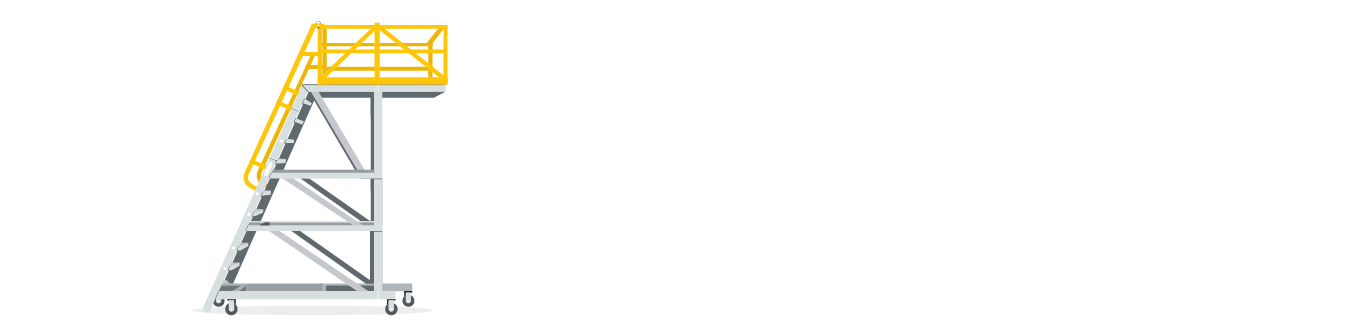
Fibreglass
Fibreglass ladders are the non-conductive alternative to aluminium for trades and facilities that work in proximity to electrical systems, overhead power lines, and energised equipment. The fibreglass stile does not carry electrical current under working conditions, which is the legally required property for ladder access in many electrical trade and industrial electrical maintenance contexts. Aluminium Platforms distributes Bailey and Indalex fibreglass ladders across the full range of step, double-sided, extension, and access platform configurations.
Why Fibreglass Instead of Aluminium
Aluminium is an electrical conductor. Contact between an aluminium ladder stile and a live electrical conductor can cause fatal electrocution. Fibreglass does not conduct under the voltage and current levels found in standard commercial and industrial electrical systems. Where the task involves proximity to live switchboards, overhead conductors, transformers, or other energised equipment, fibreglass is the appropriate ladder material.
This applies across multiple trades: licensed electricians, HVAC technicians working on units with live supply connections, facilities maintenance staff working around building electrical infrastructure, and anyone accessing switchrooms, MDF rooms, or data centre environments where energised equipment is present.
Bailey Fibreglass Range
Bailey produces the Fibreglass Leansafe X3, a single-sided fibreglass step ladder designed to lean against a surface with three points of contact for stability. The Leansafe X3 is a common choice for commercial electricians and HVAC contractors who need a portable, non-conductive ladder for service work. Bailey also produces double-sided fibreglass step ladders and fibreglass extension ladders in trade and industrial load ratings.
Indalex Fibreglass Range
Indalex produces fibreglass step ladders, double-sided step ladders, extension ladders, and platform ladders in both 150kg trade and 180kg industrial ratings. The Indalex fibreglass range covers the same configurations as the aluminium range, allowing trades to match fibreglass and aluminium models with the same footprint and step count for interchangeable use on site.
Weight and Handling
Fibreglass ladders are heavier than aluminium ladders of equivalent size. The additional weight comes from the fibreglass material. For site work where the ladder is moved frequently, this is a practical consideration. Many tradespeople keep a lightweight aluminium ladder for general access and a fibreglass ladder specifically for electrical work, using each based on the presence of energised equipment in the work area.
Durability and Maintenance
Fibreglass ladders are resistant to corrosion and chemical exposure, making them suitable for chemical processing environments and outdoor use in coastal or high-humidity areas where aluminium may corrode. Fibreglass can degrade under prolonged direct UV exposure. Store fibreglass ladders away from direct sunlight when not in use for extended periods.
Frequently Asked Questions
When do I legally need a fibreglass ladder instead of aluminium?
Whenever work involves proximity to live or potentially energised electrical equipment, overhead power lines, or energised conductors, a non-conductive ladder is required. This covers licensed electrical work, HVAC servicing on units with live supply connections, and access in switchrooms, MDF rooms, or areas with exposed live conductors. Your safety management plan or Safe Work Method Statement should specify non-conductive access equipment for these tasks.
Are fibreglass ladders stronger than aluminium?
Load ratings for fibreglass and aluminium ladders of equivalent specifications are comparable. Both are available in 150kg trade and 180kg industrial ratings. Fibreglass is not inherently stronger than aluminium. Fibreglass offers non-conductivity, corrosion resistance, and UV stability advantages. Aluminium offers lower weight and a lower purchase price for equivalent load capacity.
Can I use a fibreglass ladder outdoors?
Yes. Fibreglass ladders are well-suited to outdoor use. Fibreglass does not corrode in coastal or high-humidity environments the way aluminium can. However, prolonged direct UV exposure can degrade fibreglass over time. Store fibreglass ladders in a shed or covered area when not in use for extended periods to maximise service life.
Do fibreglass ladders cost more than aluminium?
Yes, fibreglass ladders are typically more expensive than aluminium ladders of equivalent configuration and load rating. The price difference reflects the higher material cost. For trades where non-conductive access is required daily, this is a necessary cost. For trades where fibreglass is only needed occasionally, keeping one fibreglass ladder alongside an aluminium ladder is common practice.
Question 1 of 3
Where will you primarily use this product?
Question 2 of 3
What's your total load? (your weight + tools + materials)
Question 3 of 3
What working height do you need?
Get in Touch
Tell us about your access requirements and we'll help you find the right solution.